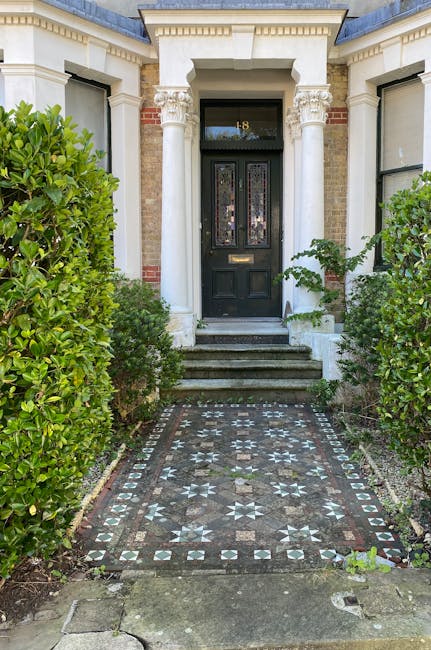
Wimbledon Village gardeners for period property garden care
If you own a period home in Wimbledon Village, the garden probably does more than sit there looking pretty. It frames the house, softens the brickwork, and quietly tells people whether the property is cared for or not. That's exactly why Wimbledon Village gardeners for period property garden care need a different approach from a standard lawn-and-border tidy-up. Older gardens often have mature planting, awkward access, heritage features, shaded corners, and materials that deserve a gentler hand.
In practice, good care means balancing restraint with skill. You want the place to look refined, not overworked. You want paths clear, edges crisp, trees healthy, and borders full of life. But you also do not want the garden stripped of its character. Truth be told, that balance is where many jobs go wrong. This guide explains how it works, what to look for, and how to choose the right support for a Wimbledon Village garden that needs thoughtful, period-aware attention.
For a broader view of what local teams can help with, you may also find the services overview useful, especially if you are comparing routine maintenance with more specialist seasonal care.
Table of Contents
- Why Wimbledon Village gardeners for period property garden care Matters
- How Wimbledon Village gardeners for period property garden care Works
- Key Benefits and Practical Advantages
- Who This Is For and When It Makes Sense
- Step-by-Step Guidance
- Expert Tips for Better Results
- Common Mistakes to Avoid
- Tools, Resources and Recommendations
- Law, Compliance, Standards, or Best Practice
- Options, Methods, or Comparison Table
- Case Study or Real-World Example
- Practical Checklist
- Conclusion
- Frequently Asked Questions
Why Wimbledon Village gardeners for period property garden care Matters
Period properties in Wimbledon Village tend to come with a certain pressure. The house needs to look elegant, and the garden has to match that standard without feeling staged. If the planting becomes woolly, the lawn patchy, or the hedges too blunt, the whole setting can feel off. The garden may still be healthy, but it stops complementing the architecture.
That is why garden care in this context is not just maintenance. It is preservation of atmosphere. A Victorian terrace, Edwardian villa, or Georgian-style frontage often needs a softer rhythm of work than a modern plot. Mature shrubs may need selective pruning rather than hard cutting. Old climbers may need tying in rather than ripping out. And if the garden has historic paving, traditional edging, or inherited specimen trees, each element needs careful treatment.
There's also the practical side. Mature gardens in a leafy London setting can grow fast, shed heavily, and create hidden issues around drainage, shade, and airflow. A good local gardener notices the small things early. A border that dries out in one corner. Moss creeping across a path. Ivy tugging at a wall. Nothing dramatic, just the kind of detail that, left alone, becomes expensive and annoying later. We've all seen it.
Expert summary: Period property garden care is about protecting character while keeping the garden usable, balanced, and well presented. The best results come from regular, modest interventions rather than occasional heavy-handed work.
How Wimbledon Village gardeners for period property garden care Works
Good care starts with a proper assessment. A gardener should first look at the age of the planting, the condition of lawns and paths, the level of shade, the presence of climbing plants, and whether the garden has any sensitive features. In older Wimbledon Village gardens, you often find a mixture of old and new: mature shrubs alongside newer beds, old brick walls near newer fencing, and an established lawn that has seen better springs.
From there, the work usually falls into a rhythm. Some tasks are weekly or fortnightly, such as mowing, edging, deadheading, and light weeding. Others are seasonal, like rose pruning, shrub shaping, feeding, mulching, and leaf clearance. Then there are one-off jobs: restoring a border, improving drainage, reworking a planting scheme, or gradually bringing a neglected garden back into shape.
The important thing is judgement. Not every plant should be "tidied" in the same way. A skilled gardener knows when to leave seed heads for structure, when to cut back for vigour, and when to wait until the right season. If you prune a flowering shrub at the wrong time, you may lose the display entirely. A bit frustrating, that. And completely avoidable.
If you are weighing up routine care versus broader property support, the pricing and quotes page can help set expectations before any work begins. It is always better to ask early than guess and hope for the best.
Key Benefits and Practical Advantages
There are several reasons why experienced local gardeners are worth considering for period property gardens in Wimbledon Village.
- They protect the garden's character. This matters in heritage-led settings where the garden contributes to the property's overall charm.
- They understand mature planting. Older shrubs and trees often need selective care, not blanket treatment.
- They improve presentation. Clean lines, healthy planting, and regular upkeep make a noticeable difference from the pavement or driveway.
- They reduce future repair work. Small issues, such as overgrown roots or blocked channels, are easier and cheaper to address early.
- They help with seasonal rhythm. A garden that is handled at the right time of year tends to settle into better long-term health.
There is also a quieter advantage: peace of mind. If you travel often, host guests, or simply prefer not to spend your weekends wrestling with a hedge trimmer, a professional hand can keep the garden looking composed without the constant effort. Nice, really. Especially when you arrive home and the front path is clear, the lawn is neat, and the borders look like someone paid attention.
Who This Is For and When It Makes Sense
This kind of care is not only for grand houses. It suits anyone with a mature or older-style garden that needs more than a quick mow. If your home is a listed property, a conservation-area property, or simply a well-kept older house with established planting, this approach may be a better fit than standard garden maintenance.
It also makes sense if:
- you have roses, climbers, topiary, or specimen shrubs that need informed pruning;
- the garden layout feels a little tired but still has good bones;
- you want the front garden to respect the architecture of the house;
- you are preparing for a sale, rental, event, or family visit;
- you have inherited a garden and are not sure what should be kept, cut back, or replaced.
In Wimbledon Village, that last point comes up more often than people expect. A new owner may inherit a mature garden that looks lovely in spring but slightly intimidating by midsummer. Where do you start? What should be preserved? What should be thinned? That is where a knowledgeable gardener earns their keep, honestly.
For clients who want reassurance on safe working practices, it can be worth reviewing the company's insurance and safety information and the more detailed health and safety policy. Those pages are not just paperwork; they tell you how the work is managed on site.
Step-by-Step Guidance
1. Walk the garden properly
Start with a full walk-through. Look at the front, side, and rear garden if all three are connected. Notice what feels overgrown, what feels sparse, and what is simply out of season. Check the state of paths, edging, drainage, and access points. Period gardens often hide problems behind mature planting, so take your time.
2. Identify what should be preserved
Not everything that looks untidy is a problem. A mature shrub may just need selective shaping. An old climbing rose may need support and dead canes removed. A little seasonal wobble is normal. Before cutting, decide what adds value to the garden's structure and what genuinely needs reducing.
3. Set a realistic maintenance rhythm
Some gardens need weekly attention in spring and summer, then lighter visits in autumn and winter. Others do better with fortnightly visits and seasonal cut-backs. The point is to match the schedule to the garden, not force the garden into a rigid calendar.
4. Tackle the basics first
Clear the obvious issues: weeds, dead material, fallen leaves, messy edges, and neglected pots. Then move to the more nuanced work such as pruning, feeding, and border improvement. This order makes the garden feel better quickly, which helps a lot if you are living with the mess while the work progresses.
5. Refine the details
Edge the lawn. Re-cut the border line. Tie in loose climbers. Lift low branches where needed. Trim around entrance paths and visible windows. These are small jobs, but together they lift the whole property. That's the secret, really. Small gains stack up.
6. Review after each season
At the end of each season, review what worked and what didn't. Was one border too dry? Did the hedging grow too fast? Did the lawn struggle under tree shade? This kind of feedback loop prevents the same issues returning year after year.
Expert Tips for Better Results
Experienced gardeners usually work with restraint first. Here are a few practical tips that make a noticeable difference in older Wimbledon Village gardens.
- Prune for shape, not just size. Reducing a plant is not the same as improving it.
- Keep sightlines in mind. Front gardens should frame the house, not hide it.
- Use mulch sensibly. It helps retain moisture and suppress weeds, but it should not smother crowns or stem bases.
- Watch for shade shifts. Mature trees change how light moves through a garden over the year.
- Don't rush a neglected garden. A phased approach is usually safer and looks better.
One helpful rule of thumb: if the garden looks "finished" only because everything has been cut back to the same height, it may actually be losing its interest. The best period gardens usually have layers - taller structure, medium planting, lower texture, and clear paths through it all. A bit like a good room, really. Nothing too shouty.
Where sustainability matters, especially in a leafy residential setting, you might also want to explore the recycling and sustainability approach. Garden waste handling is one of those things people forget about until the bags start piling up.
Common Mistakes to Avoid
Older gardens can be surprisingly easy to damage if someone applies a one-size-fits-all method. A few mistakes come up again and again.
- Over-pruning mature shrubs. Heavy cuts can leave bare patches or stress the plant.
- Ignoring soil condition. Good looks above ground often depend on what's happening below it.
- Using the wrong tools for the job. Not every hedge, rose, or topiary shape should be tackled with the same equipment.
- Skipping seasonal timing. Some plants are unforgiving if cut at the wrong point in the year.
- Trying to fix everything at once. Large gardens often need phased improvements, not a single dramatic overhaul.
Another common issue is treating the front garden like an afterthought. In Wimbledon Village, that can be a mistake. The front approach is often what people see first from the street, and in a period property it sets the tone before anyone even reaches the door. Slightly unfair, perhaps, but that is how curb appeal works.
Tools, Resources and Recommendations
Specialist garden care does not always need exotic kit. In many cases, the best results come from careful use of straightforward tools and a well-planned routine.
| Task | Useful tools | Why it matters in period gardens |
|---|---|---|
| Fine pruning | Secateurs, loppers, pruning saw | Helps shape mature plants without rough cuts |
| Lawn care | Mower, edging tool, rake | Keeps formal areas neat and balanced |
| Border maintenance | Hand fork, hoe, mulch, watering can or hose | Supports soil health and keeps planting tidy |
| Climbers and shrubs | Soft ties, trellis supports, secateurs | Prevents damage while guiding growth |
| Waste management | Green bags, bins, collection plan | Stops the garden feeling cluttered after work |
If you are comparing service levels, it can help to think in terms of outcomes rather than hours. Do you need regular maintenance? A seasonal tidy? Help recovering a neglected border? Or a mix of both? The right provider will be clear about what is included and what needs separate attention. If not, ask. A good one will not mind.
For practical next steps, the pricing and quotes page and the payment and security page are both useful if you want to understand how quotes are handled and how payment is managed.
Law, Compliance, Standards, or Best Practice
Garden care in a private residential setting is not usually complicated from a legal point of view, but there are still sensible standards to observe. If a property is listed, in a conservation area, or has protected trees, some work may need extra care or permission. The exact requirements depend on the property and local circumstances, so it is wise not to assume. When in doubt, check before major pruning, removal, or structural changes.
Health and safety is also part of good practice. Even straightforward garden work can involve slips, trips, lifting, sharp tools, ladders, and unexpected surfaces. A professional team should work tidily, use equipment properly, and protect both people and property. That includes being careful around delicate paving, old masonry, and established plant roots.
Insurance, too, matters more than people think. If a contractor is working around a period property with valuable finishes, mature planting, or hard landscaping that is not cheap to replace, you want proper cover and sensible operating procedures. It is a boring topic until the day it is not.
You can also check useful housekeeping pages such as the accessibility statement and the complaints procedure. They show how the business handles service issues and user access with a bit more transparency.
Options, Methods, or Comparison Table
Not every period garden needs the same level of attention. The right choice depends on condition, budget, and how much of the original character you want to preserve. Here is a simple comparison.
| Approach | Best for | Strengths | Limitations |
|---|---|---|---|
| Basic maintenance | Well-kept gardens needing routine care | Reliable, neat, cost-conscious | May not address deeper planting issues |
| Seasonal care plan | Mature gardens with varied planting | Better timing, healthier long-term results | Needs a bit more planning |
| Restorative tidy-up | Overgrown or inherited gardens | Fast visual improvement | Can reveal underlying work still needed |
| Design-led enhancement | Gardens that need character without losing heritage feel | Balances structure and beauty | Usually takes longer to deliver fully |
In many Wimbledon Village homes, the best answer is a combination. A tidy-up first, then regular maintenance, then slower improvements to planting and structure. There's no prize for doing it all at once.
Case Study or Real-World Example
Imagine a Wimbledon Village house with an established front garden: a clipped hedge, a narrow lawn, a mature climbing rose, and a pair of borders that have gradually become crowded. The owners like the look of the garden but feel it has lost definition. It still has charm, yet from the road it reads as slightly heavy and untidy.
A sensible gardener would not start by stripping everything back. They would begin with a light clear-out: remove dead stems, re-edge the lawn, open up the view to the front door, and support the climber. Then they would selectively thin the borders, keeping the best plants and shifting or dividing those that are competing too hard. After that comes the seasonal rhythm - pruning, feeding, mulching, and checking how much sun reaches each area.
The result is usually not dramatic in the flashy sense. It is better than that. The garden begins to look intentional again. The house breathes a little more. Visitors notice, even if they cannot quite say why. And the owners stop feeling like the garden is quietly winning the argument every month.
A real-world lesson from this kind of work? Small, well-timed decisions beat drastic intervention almost every time.
Practical Checklist
Use this checklist when planning period property garden care in Wimbledon Village.
- Identify the garden's key features: lawn, hedging, mature shrubs, trees, climbers, paving, and borders.
- Decide what must be preserved for character and structure.
- Check whether the garden needs weekly, fortnightly, seasonal, or one-off care.
- Note any problem areas: shade, drainage, overgrowth, weeds, moss, or compacted soil.
- Ask how pruning will be timed and what will be left alone.
- Confirm how waste will be cleared and recycled.
- Review insurance, safety, and site access before work starts.
- Agree the expected finish level for paths, edges, lawns, and beds.
- Set a review point after the first visit or first season.
- Keep a simple record of what was done and what should happen next.
That last point sounds fussy, maybe. It is not. A small note about what was pruned, what was fed, and what still needs attention can save a lot of confusion later.
Conclusion
Wimbledon Village gardens tied to period properties need a steady hand, not a heavy one. The best care respects the age of the house, the shape of the planting, and the way the garden has grown over time. When that balance is right, the result feels calm, elegant, and lived-in rather than over-styled.
If you are choosing between a quick tidy-up and a more thoughtful maintenance approach, think about the long-term picture. Mature gardens reward consistency, timing, and local understanding. They also reward patience, which is not always fashionable, but it works.
Get a free quote today and see how much you can save.
And if you want to explore the wider support available, the home page at lawnmowingwimbledon.co.uk is a sensible place to start. A well-kept period garden never has to shout. It just quietly feels right.
Frequently Asked Questions
What makes period property garden care different from standard garden maintenance?
It is more considered. Period gardens often have mature planting, older structures, and a stronger connection to the house itself, so care needs to preserve character as well as keep things tidy.
How often should a Wimbledon Village period garden be maintained?
It depends on the garden's size and planting, but many older gardens benefit from regular visits during the growing season and lighter attention in quieter months. A seasonal plan usually works better than random one-off jobs.
Can overgrown mature shrubs be cut back hard?
Sometimes, but not always. Some shrubs respond well to renovation pruning, while others can be damaged by severe cuts. A good gardener will judge the plant type, timing, and long-term shape before deciding.
Do I need specialist gardeners for a listed property?
Not always specialist in the legal sense, but you do want someone who understands sensitive materials, mature planting, and the need to avoid unnecessary damage. If any protected features are involved, extra caution is sensible.
What should I ask before booking a gardener for a period garden?
Ask what services are included, how they handle pruning, what happens with waste, whether they are insured, and how they approach heritage-style planting. It also helps to ask for a clear quote and maintenance plan.
Is garden restoration always expensive?
Not necessarily. It depends on the size of the job and how much work has been left too long. A phased approach can spread costs and still produce a strong improvement.
How do I know if my garden needs a tidy-up or a redesign?
If the layout still works but the garden just looks tired, a tidy-up may be enough. If the circulation, planting structure, or balance feels wrong, a more involved redesign may be worth discussing.
What are the biggest risks of using the wrong gardener?
The main risks are over-pruning, damaging mature features, poor timing, and a finish that looks too harsh for a period setting. In older gardens, the wrong cut can take years to recover.
Can garden waste from period properties be recycled responsibly?
Yes, in most cases. Green waste can often be handled through recycling and composting routes, provided it is separated properly. That is one reason it helps to ask about a provider's waste and sustainability approach.
What if I only need help a few times a year?
That can work well for some properties. A seasonal or ad hoc service may suit a garden that is already in good shape but needs expert attention at key times such as spring, midsummer, and autumn.
How do I compare quotes fairly?
Compare what is included, not just the headline price. Look at labour, waste removal, pruning, frequency, and whether the quote assumes a one-off visit or an ongoing plan. The cheapest option is not always the best fit.
Where can I check service policies before booking?
You can review relevant support pages such as the health and safety policy, insurance and safety information, and the complaints procedure if you want a clearer picture of how service is managed.