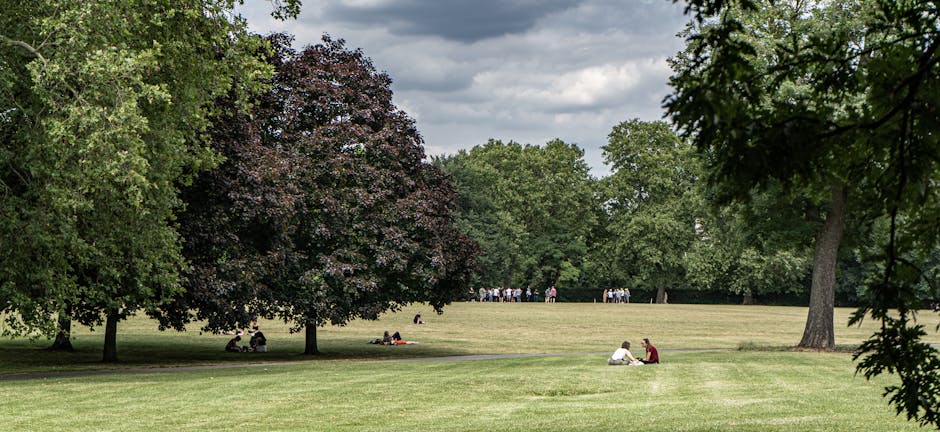
Wimbledon Common garden clearance and gardeners for events
If you are planning an event near the Common, or you simply need a garden brought back under control before guests arrive, Wimbledon Common garden clearance and gardeners for events can save a great deal of stress. The job is rarely just "tidy the borders and mow the lawn". In practice, it is about making a space safe, presentable, and ready for real use - with the right timing, the right tools, and enough attention to detail that nobody notices the work itself. Which, to be fair, is usually the point.
That might mean removing leaf fall, branches, old pots, weeds, and leftover debris from a private garden close to Wimbledon Common. It might also mean preparing outdoor areas for a wedding reception, a charity function, a family gathering, or a corporate event where first impressions matter. If the site needs to look calm, polished, and usable by a certain date, then good clearance and event-focused gardening make all the difference.
Below, you will find a clear guide to how this works, who it suits, what to ask for, what to avoid, and how to choose the right help without overcomplicating the whole thing. A lot of people think they need "just a quick tidy". Then the gate opens, the light falls across a scruffy lawn, and suddenly everything is visible. You know the feeling.
Table of Contents
- Why Wimbledon Common garden clearance and gardeners for events Matters
- How Wimbledon Common garden clearance and gardeners for events Works
- Key Benefits and Practical Advantages
- Who This Is For and When It Makes Sense
- Step-by-Step Guidance
- Expert Tips for Better Results
- Common Mistakes to Avoid
- Tools, Resources and Recommendations
- Law, Compliance, Standards, or Best Practice
- Options, Methods, or Comparison Table
- Case Study or Real-World Example
- Practical Checklist
- Conclusion
- Frequently Asked Questions
Why Wimbledon Common garden clearance and gardeners for events Matters
Wimbledon Common is a distinctive part of southwest London. Gardens here often have a bit more character than your average suburban plot: mature trees, uneven shade, wild corners, long boundaries, and the odd patch that looks tidy in winter but turns into a small jungle by late spring. That character is lovely, but it can make clearance and event preparation more demanding.
Garden clearance is not only about making things look neat. It is also about reducing hazards and helping the space function properly. Wet leaves on paths, low branches near walkways, broken planters, loose debris, and overgrown edges can all create problems for guests, decorators, caterers, photographers, and anyone carrying equipment. If you are hosting people, the garden has to work as a space, not just look good in a quick glance from the back door.
For events, the standard is higher again. A family barbecue can tolerate a slightly untamed corner. A wedding drink reception, product launch, anniversary dinner, or private party usually cannot. At that point, gardeners for events are not just trimming hedges. They are helping to create flow: a clear entrance, attractive sightlines, managed planting, and enough breathing room for chairs, tables, marquees, or standing guests.
One often overlooked point is timing. The right clearance done too early can look tired by event day. Done too late, and there is no time to correct issues if weather, debris, or last-minute changes get in the way. Good planning is half the work. Sometimes more.
If your project also involves a broader outdoor refresh, it can help to look at related services such as ongoing garden maintenance and hedge trimming so the result does not just look good for one afternoon and then unravel the following week.
How Wimbledon Common garden clearance and gardeners for events Works
In most cases, the process starts with a site review. A gardener or clearance team looks at the size of the garden, access routes, waste volume, surfaces, planting, and the event date. This is where the practical questions come in: Can a van park nearby? Are there narrow side passages? Will the work need to be finished before guests arrive on the same day? Are there delicate plants that should be protected rather than cut back?
Once the scope is clear, the work can be planned in stages. A typical sequence might include:
- Removing loose waste, branches, and garden clutter.
- Cutting back overgrowth, weeds, and untidy edges.
- Clearing paths, patios, decks, and lawn areas.
- Shaping hedges or screening plants so the space feels balanced.
- Collecting green waste for responsible disposal.
- Doing a final presentation pass shortly before the event.
That final pass matters more than people think. A garden can be technically cleared but still not feel event-ready. The difference may be a few stray cuttings on a path, a crooked bin, a tired-looking pot, or a patch of moss on a guest route. Small things, but they count.
For event work, the gardener may also coordinate around other suppliers. That could include florists, marquee teams, outdoor furniture hire, lighting technicians, or caterers. A sensible team keeps the planting safe, avoids damage to turf, and makes sure the garden looks intentional rather than recently "dealt with".
If you are trying to build a consistent outdoor standard rather than a one-off fix, it is worth linking clearance to other services such as lawn care and tree and shrub care. That way, the garden improves over time instead of resetting to square one after each event.
Key Benefits and Practical Advantages
The biggest benefit is simple: peace of mind. You are not trying to host people while wondering whether the back corner still looks like a compost heap in disguise. But there are several more practical advantages too.
- Better first impressions: Guests notice entrances, paths, lawns, and sightlines almost immediately.
- Safer movement: Clear access reduces slips, trips, and awkward bottlenecks.
- More usable space: A garden that has been cleared properly can actually function for dining, mingling, or photos.
- Less last-minute stress: You are not trying to do everything yourself the day before the event.
- Cleaner supplier access: Caterers, decorators, and event crews can work faster when the space is organised.
- Better plant protection: Careful gardeners know what to remove and what to preserve.
There is also a subtle but real value in presentation. A garden that feels calm and well cared for tends to make the whole occasion feel more relaxed. People settle in faster. Photos look better. Conversations feel less "we are standing in a half-finished project" and more "this was clearly thought through".
For some properties close to Wimbledon Common, privacy is another benefit. Managed hedges, clean borders, and tidy screening plants can make a garden feel more secluded, which is especially useful for outdoor events where guests are likely to stay longer than expected. And yes, they often do stay longer than expected.
Expert summary: The best event-focused garden work is not the most dramatic work. It is the work that quietly removes friction - clutter, trip hazards, visual noise, and practical bottlenecks - so the space feels effortless on the day.
Who This Is For and When It Makes Sense
This kind of service suits a wide range of people. You might be a homeowner preparing for a birthday party, a landlord getting a property ready between lets, or a venue manager who needs the outdoor areas presentable before guests arrive. In Wimbledon and the surrounding area, it is also common for families to want the garden in shape before a gathering that involves grandparents, children, and a fair amount of foot traffic. That alone changes the brief quite a bit.
It makes sense when any of the following apply:
- The garden has not been touched for a while and needs a full reset.
- You have an event date and need the space to look polished by then.
- The property has narrow access or awkward features that make DIY clearance frustrating.
- You need green waste removed rather than simply piled in a corner.
- You want the garden to look neat for guests, photography, or supplier access.
It may also be worthwhile if you are inheriting a garden after a tenancy change, a renovation, or a spell of bad weather. A windy week can make a tidy outdoor space look a bit defeated, especially in tree-heavy parts of southwest London. One minute everything is fine; the next there are twigs under every chair leg. Typical.
If the project is more about long-term upkeep than one-off clearance, it may be helpful to review regular garden maintenance plans and seasonal garden care so the space stays manageable between events.
Step-by-Step Guidance
If you want the work done well, a clear process helps. Here is the most practical way to approach it.
1. Define the event outcome
Start with the end in mind. Do you need the garden to look elegant, family-friendly, photo-ready, or simply usable? The answer changes the work. A wedding-ready garden, for example, may need more shaping and cleanup than a casual summer gathering.
2. Walk the site properly
Look at the garden from the perspective of a guest. Where do people enter? Where will they stand? Which areas will be seen in photos? Which spots are hidden but still matter for access and storage? This simple walk-through often reveals issues people miss from inside the house.
3. Separate clearance from presentation
Not every overgrown plant should be removed. Some features need cutting back, not cutting out. A skilled gardener will know when to preserve mature structure and when to simplify. Truth be told, that judgement is what separates a good result from a rushed one.
4. Agree the waste plan
Green waste can build up fast, especially after hedge work, pruning, or a full tidy-up. Make sure the plan covers collection and disposal, not just the cutting. Otherwise the garden may be "done" but still full of bags, branches, and pile after pile of stuff nobody wants to see.
5. Schedule the final visit close to the event
If possible, leave a short gap between the final garden work and the event itself. That gives time to sweep, check levels, and make small adjustments. It also protects the look of the garden if the weather turns wet or windy.
6. Check the detail pass
On the last walk-through, look for awkward edges, stray cuttings, muddy patches, and anything that might catch a heel or distract from the setting. It is the little things. Always the little things.
Expert Tips for Better Results
A few simple choices can make a big difference to the final outcome.
- Use layered tidying: Clear first, then shape, then detail. Doing everything at once usually creates mess.
- Protect what matters: Mark sensitive plants, irrigation lines, lights, or decorative features before work starts.
- Watch the weather window: In London, a dry morning can become a damp afternoon very quickly. Plan for that possibility.
- Leave breathing room: Over-pruning can make a garden feel harsh. Guests usually prefer natural structure over stripped-back emptiness.
- Think about smell and feel: Freshly cut grass, damp soil, and clean paths all contribute to the atmosphere. It sounds small, but it is not.
- Keep event furniture in mind: A beautiful lawn means little if nobody can place chairs without sinking into soft ground.
If you are preparing for a bigger occasion, ask whether the team can work alongside other outdoor tasks. A coordinated plan often gives a better result than separate visits. You can see the difference quickly when a space has been cleared, edged, and then lightly dressed for presentation. It just feels complete.
For more technical or seasonal support, some readers also find it useful to look at garden clearance services and light landscaping options if the garden needs more than a tidy-up.
Common Mistakes to Avoid
Most problems come from either leaving too much for too late, or asking for the wrong kind of help. A few mistakes show up again and again.
- Leaving clearance until the event week: This creates pressure and reduces your options if anything runs over.
- Assuming "tidy" means event-ready: A garden can be neat but still not suitable for guests, especially if access, safety, or layout has been ignored.
- Forgetting disposal: Cutting back plants without arranging waste removal is half a job at best.
- Over-clearing the space: Removing too much can leave the garden flat and lifeless. A bit of texture often looks better.
- Not checking access width: Narrow paths, side gates, and steps can affect how quickly work gets done.
- Ignoring the weather forecast: A wet patch on a lawn can become a sore point for guests, especially if footwear is smart.
Another common issue is treating every part of the garden equally. In reality, some zones matter far more than others. Guests remember the entrance, the main seating area, and the route to the house. They do not usually remember the back corner behind the shed. Unless, of course, the hedge is doing something dramatic back there.
Tools, Resources and Recommendations
The right equipment depends on the scale of the job, but event-ready clearance usually involves a mix of hand tools and powered equipment. In professional use, that might include secateurs, loppers, hedge cutters, rakes, leaf blowers, mowers, edging tools, wheelbarrows, tarps, and waste bags or bulk bags. For heavier clearance, teams may also use pruning saws or brush-cutting equipment where appropriate.
For the best results, ask about:
- Waste removal arrangements: Especially if the garden produces a lot of green waste.
- Damage prevention: How they protect paving, turf, ornaments, and fragile planting.
- Timing flexibility: Whether they can return for a final sweep or presentation pass.
- Experience with event preparation: Not all gardeners are used to working to a deadline with guests arriving soon after.
Useful related services may include patio cleaning, pressure washing, and garden design support if the site needs visual improvement as well as clearance. A clean patio and a tidy border can transform how the whole space feels, especially near the house where people naturally gather.
It can also help to keep a simple site note for the job: access instructions, gate codes, fragile areas, parking limitations, and the event time. Nothing glamorous, but very useful. Very useful.
Law, Compliance, Standards, or Best Practice
For most private garden clearance and event-preparation work, the main compliance issues are practical rather than highly formal. Even so, responsible teams should work with care and follow normal UK standards for safe operations, waste handling, and consideration of neighbours.
A few best-practice points are worth keeping in mind:
- Waste handling: Green waste should be removed and disposed of responsibly through the appropriate channels.
- Noise awareness: Powered tools may need to be used at sensible times, especially in residential streets.
- Access and safety: Paths, steps, and working areas should be kept clear where possible to reduce avoidable trip hazards.
- Property care: Gardeners should avoid damaging boundaries, fixtures, drainage covers, or irrigation systems.
- Neighbour respect: This is especially important in tighter London streets where deliveries, parking, and noise can create friction quickly.
If the project involves larger waste volumes, mixed materials, or access that requires special coordination, it is sensible to discuss this in advance rather than assuming it will sort itself out. It usually doesn't. A good provider will be clear about what they can remove, what needs separate handling, and how they approach the job safely.
Where event equipment is being brought into the garden, the responsible approach is to make sure the route is suitable and that soft ground, delicate borders, or hidden hazards are accounted for. That is not over-caution. That is just good practice.
Options, Methods, or Comparison Table
There are a few different ways to approach Wimbledon Common garden clearance and gardeners for events, and the right choice depends on your timeline, budget, and how polished the final result needs to be.
| Approach | Best for | Advantages | Limitations |
|---|---|---|---|
| DIY clearance | Small tidy-ups, low-pressure occasions | Low direct cost, full control | Time-consuming, waste disposal still needed, easy to miss detail |
| One-off professional clearance | Overgrown gardens, pre-event cleanups, rental refreshes | Fast, thorough, better equipment, less stress | Needs clear brief and booking in advance |
| Event-focused gardening | Weddings, parties, launches, hospitality settings | Presentation-focused, coordinated timing, better visual finish | May cost more due to planning and return visits |
| Ongoing maintenance with event add-ons | Regular hosts, managed properties, venues | Consistent standard, less emergency work, easier scheduling | Requires commitment across the year |
As a rule of thumb, if the event is important and the garden is visible, the "event-focused gardening" route usually pays for itself in reduced stress alone. If the garden is small and simple, a targeted one-off tidy may be enough. The right answer depends on what the space needs, not just what sounds easiest.
Case Study or Real-World Example
Here is a realistic example based on the kind of job that comes up often near Wimbledon Common. A homeowner was preparing for a weekend gathering with family, friends, and a small drinks setup outdoors. The garden itself was attractive, but after a few wet weeks it had become untidy: leaves along the fence line, a hedge pushing into the path, weeds around the patio edge, and a few odds and ends left from earlier work.
The first step was a site check. The main access was through a side gate, which was fine, but only if large waste bags were planned carefully. The team cleared the paths, cut back the hedge in the areas affecting movement, removed loose debris, and tidied the main seating zone. They left the mature planting largely intact so the garden still felt like a garden, not a blank rectangle.
A day before the event, they came back for a final sweep. That second visit made a visible difference. The patio looked sharper, the lawn edges read cleanly, and the space felt calmer in the late afternoon light. Nothing flashy. Just orderly, which is exactly what the host wanted.
The useful lesson here is simple: event gardens usually fail because of details, not because of one big problem. If you solve access, edges, waste, and presentation, the whole thing feels easier. Sounds obvious, but people often forget it in the rush.
Practical Checklist
Use this checklist before you book or start the work.
- Confirm the event date and arrival time for guests or suppliers.
- Walk the garden and note problem areas, access points, and fragile features.
- Decide whether you need clearance only, presentation work, or both.
- Identify what must stay, such as mature shrubs, screening, lighting, or decorations.
- Check how waste will be removed from the property.
- Make sure gates, paths, and steps are safe and easy to use.
- Ask for a final tidy as close to the event as practical.
- Flag any weather-sensitive areas, such as soft lawn or shaded slippery patches.
- Coordinate with caterers, decorators, or marquee teams if needed.
- Do a final walk-through the day before or the morning of the event.
Quick practical note: If you are trying to decide whether the garden needs a full clearance or just a tidy, stand at the main entrance and look straight ahead. If what you see feels busy, messy, or awkward, guests will feel that too. If it feels calm and open, you are probably on the right track.
Conclusion
Wimbledon Common garden clearance and gardeners for events are really about one thing: making an outdoor space ready to be used well. Not merely neat. Ready. That means clearing clutter, protecting what matters, improving access, and giving the garden a presentation standard that suits the occasion.
Whether you are hosting a small family celebration, managing a more formal event, or just trying to rescue a garden before visitors arrive, the best results come from a clear plan and a team that understands timing as well as trimming. A good garden should feel welcoming the moment people step outside. Calm, orderly, and quietly looked after.
If you want the space to look its best without the usual scramble, start with a proper site review, be honest about the scale of the work, and leave enough time for the final details. That is often the difference between "good enough" and genuinely good.
Get a free quote today and see how much you can save.
Frequently Asked Questions
What does garden clearance for events actually include?
It usually includes removing garden waste, cutting back overgrowth, tidying paths and patios, and preparing the space so it looks presentable and works well for guests. In some cases, it can also include hedge shaping, lawn edging, and a final sweep shortly before the event.
How far in advance should I book gardeners for an event near Wimbledon Common?
As early as you can, especially if the event is during spring or summer. That gives time for a proper visit, any follow-up work, and a final presentation pass if needed. Leaving it until the last minute makes everything harder, and a bit riskier too.
Can garden clearance be done in one visit?
Sometimes yes, but not always. A small or medium tidy-up may be completed in a single visit. Larger jobs, or event spaces that need a cleaner finish, often benefit from a first clearance and a second light-touch visit closer to the day.
Do I need garden clearance if the space already looks tidy?
Possibly. Event work is about more than neatness. You may need better access, safer routes, sharper edges, or a presentation standard that a normal tidy does not cover. Guests and suppliers tend to notice these things quickly.
Will the team take away all the green waste?
They should, if waste removal is included in the service. Always confirm this upfront, especially if the job will produce branches, bags of cuttings, or bulky debris. It is one of those details that sounds minor until suddenly it is not.
What is the difference between a gardener and a garden clearance team?
A gardener often focuses on plant care, shaping, maintenance, and presentation. A clearance team may be more focused on removing waste and tidying an overgrown site. In real life, many providers do both, but it helps to ask who is doing what before the job starts.
Can gardeners help make a garden look better for photos?
Yes. Good event gardeners understand sightlines, edges, background clutter, and the areas most likely to appear in pictures. A few well-placed adjustments can make the space look much more balanced on camera. Not glamorous work, but very effective.
Is it worth combining garden clearance with ongoing maintenance?
Usually, yes. If you host events regularly or want the property to stay manageable, combining the two can be more efficient than booking emergency tidy-ups each time. It also helps the garden improve steadily instead of swinging between overgrown and overworked.
What should I ask before hiring someone for event garden work?
Ask what is included, how waste is handled, whether they have experience with event preparation, how long the work will take, and whether they can return for a final detail pass. Those answers tell you a lot about how organised they are.
Does weather affect event garden clearance?
Very much so. Wet grass, muddy paths, windblown debris, and rain can all change how the garden looks and how usable it is. In London, the weather can shift quickly, so it helps to keep a small buffer in the schedule if possible.
Can you prepare a garden for an outdoor party and a formal event in the same way?
Not quite. A party garden may need more open space and durable surfaces, while a formal event usually needs more careful presentation, cleaner lines, and better attention to visual balance. The basics overlap, but the final finish should match the occasion.
What if my garden near Wimbledon Common has narrow access?
That is common enough in London, and it is usually manageable with the right planning. Tell the team about side gates, steps, tight passages, parking restrictions, and any delicate surfaces before they arrive. Good access planning saves time and prevents damage.
When the outside space is ready, the whole event feels easier. And that is usually what people want in the end - less fuss, more breathing room, and a garden that quietly does its job well.