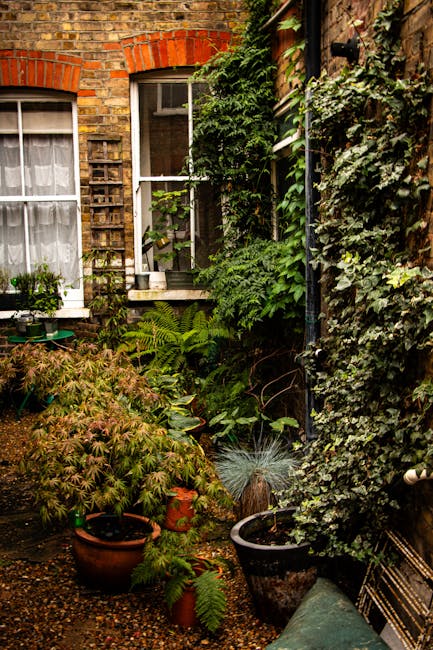
Haydons Road tight access garden jobs for local gardeners
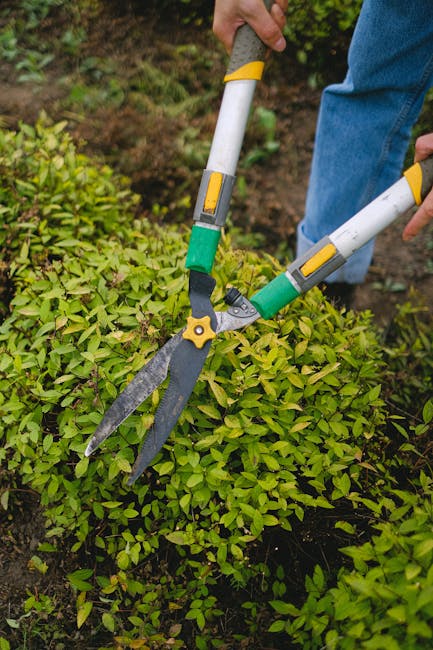
If you live near Haydons Road and your garden feels awkward, narrow, boxed in, or just plain tricky to reach, you are not alone. Tight access jobs can turn simple outdoor jobs into a proper puzzle: getting tools through side paths, moving waste out without damaging fences, and working neatly in a space where every step matters. That is exactly why Haydons Road tight access garden jobs for local gardeners need a careful, local, and very practical approach.
This guide explains what tight access gardening involves, why it matters, how local gardeners handle it, and what you should look for before booking work. Whether you need hedge cutting, clearance, planting, pruning, turf help, or a full tidy-up, the goal is the same: get the job done cleanly, safely, and without turning your pathway into a damage report. Truth be told, a narrow entrance can be more demanding than a big open lawn.
Below, you will find a clear breakdown of the process, common challenges, useful tools, best practices, and a realistic checklist so you can decide what makes sense for your space.
Why Haydons Road tight access garden jobs for local gardeners Matters
Tight access changes everything. A job that looks straightforward from the street can become slow, awkward, and expensive if the only way into the garden is through a narrow alley, shared passage, basement step, or a side gate that barely opens far enough for a wheelbarrow. On Haydons Road and nearby streets, that kind of layout is common enough that local gardeners learn to plan for it, not react to it.
Why does this matter so much? Because access affects labour time, equipment choice, waste removal, neighbour relations, and even the condition of your garden at the end. If a gardener has to carry everything by hand, work in stages, or use compact tools, the whole job needs a different rhythm. That is not a problem, but it does need understanding.
For homeowners and landlords, tight access work also matters because bad planning can lead to avoidable issues: broken paving, trampled borders, scratched paintwork, blocked pathways, or piles of green waste sitting around longer than expected. And let's face it, nobody wants their neat little back garden to look like a building site after a simple prune.
Local knowledge helps too. A gardener who regularly works in the area will usually understand the typical access constraints, parking pressure, and practical realities of London garden work. If you are also thinking about broader garden care, you may find our garden maintenance support in London useful as a wider starting point, especially when your garden needs more than one visit.
How Haydons Road tight access garden jobs for local gardeners Works
In simple terms, the process starts with access, not with the plant beds or the lawn. A good gardener will first ask how they get in, how waste gets out, where tools can be staged, and whether there are any awkward features such as steps, narrow gates, shared access, fragile fencing, or residents who need the path kept open.
That first look shapes the entire job. For example, a hedge trim in an open front garden may be a one-visit affair. The same hedge in a narrow rear garden with no side access might require lighter equipment, more hand collection, and a different waste plan. You can think of it as the difference between wheeling a suitcase through a station concourse and carrying it up a spiral staircase in the rain. Same luggage, very different day.
Local gardeners usually handle tight access work through a few common methods:
- Compact equipment such as smaller trimmers, folding saws, and lightweight blowers.
- Hand-carry waste removal using sacks, tubs, or repeated trips instead of full barrows.
- Section-by-section work to avoid congestion in the garden.
- Careful protection for walls, gates, paving, and nearby structures.
- Pre-planned waste routes so cuttings do not pile up in the wrong place.
Some gardeners will also ask for photos before attending. That is not fussiness. It is sensible. A clear photo of the side passage, gate width, or rear access can save everyone from surprises on the day.
If your property also needs hedge work, planting, or a more detailed tidy-up, it can help to read about our hedge cutting service and regular garden maintenance so you can see how access affects different kinds of jobs.
Key Benefits and Practical Advantages
The biggest benefit is simple: you can get proper garden work done even when the layout is awkward. But there are several other advantages too, and these are easy to overlook if you are only thinking about the end result.
- Less damage risk because the right tools and movement plan reduce knocks, scrapes, and soil spill.
- Cleaner finish because tight spaces usually demand more careful waste collection and tidying.
- Better use of space since compact gardens often need precise pruning and pruning height control rather than heavy-handed cuts.
- More realistic scheduling because a skilled local gardener will allow for access time instead of rushing.
- Safer working conditions for everyone, including neighbours and anyone who needs to use shared access.
There is also a subtle but important advantage: better judgement. Gardeners who handle tight access regularly tend to notice details early. They can spot whether a job should be split over two visits, whether waste needs pre-bagging, or whether a heavy clearance is actually better tackled in stages. That kind of judgement saves headaches later. It really does.
Expert summary: Tight access jobs are not just "smaller versions" of normal garden work. They often need a different method, different tools, and a more careful waste plan. The best results come from planning first and cutting second.
Who This Is For and When It Makes Sense
This kind of service makes sense for a surprisingly wide group of people. If your garden has a narrow side return, a small rear gate, shared passage, steep steps, or limited parking nearby, you are already in the right category. The same goes for anyone with a courtyard, basement access, mews-style layout, or an older property with little room to manoeuvre.
It is especially useful if you are:
- a homeowner who wants regular upkeep without the stress of managing awkward access;
- a landlord preparing a property between tenancies;
- an older resident who prefers a tidy, low-fuss outdoor space;
- a busy family who needs the job done efficiently and neatly;
- someone with a garden that has become overgrown after a period of neglect;
- a property manager dealing with shared outdoor areas and limited entry points.
It also makes sense when the work itself is small but the access is difficult. A five-minute trip with tools can become a twenty-minute carry if the garden is tucked away behind a long passage. In those cases, professional planning matters as much as the pruning or clearance itself.
For properties that need a complete reset, our garden clearance service may be a helpful next step. If the issue is more about ongoing control than one-off removal, take a look at overgrown garden help too.
Step-by-Step Guidance
If you are arranging a tight access garden job, the cleanest results usually come from a simple process. Nothing fancy. Just good preparation and a bit of honesty about the space.
- Assess the access properly. Measure gate widths, check step height, note awkward turns, and look for anything fragile or slippery.
- Explain the job clearly. Tell the gardener what needs doing, how urgent it is, and whether you want a tidy finish, waste removal, or both.
- Share photos if possible. A few images of the route in and out can help the gardener estimate time and equipment.
- Clear the route before the visit. Move bins, toys, bikes, plant pots, and anything else that may block movement.
- Confirm waste handling. Ask how green waste will be bagged, carried, or loaded out. This matters more than people think.
- Agree the working order. For tight spaces, it often helps to work from the far end back towards the exit.
- Check the finish before the team leaves. Walk the route, inspect the borders, and make sure no debris has been left in awkward corners.
A small detail can make a big difference here. If access is especially narrow, a gardener may prefer to stage waste in light bags rather than wheelbarrows. That means more trips, yes, but less mess and less risk of scraping walls. Small trade-off, better outcome.
Expert Tips for Better Results
Experienced local gardeners tend to work in a way that is calm, tidy, and deliberate. That does not sound dramatic, but in a narrow garden calm is a skill. Here are a few practical habits that help.
- Use lighter, sharper tools. They are easier to control in confined spaces and often leave a cleaner cut.
- Work in short runs. A quick trim, a clear-out, then a tidy sweep is often better than trying to do everything at once.
- Keep the access path protected. Boards, mats, or simple care around paving can prevent scuffs and soil marks.
- Bag waste as you go. In a tight garden, letting cuttings build up can make movement harder and slower.
- Protect delicate planting. Narrow beds often sit close to the route in and out, so one careless boot can flatten a season's work. Not ideal.
- Think about light and timing. A job that starts late on a dull afternoon may finish in poor visibility, which is never brilliant for detailed work.
Here is a small but important insight: the best tight access jobs often look uneventful while they are happening. That is a good sign. No shouting, no dragging branches through flower borders, no last-minute improvising. Just steady progress and a neat end result.
Also, if you want ongoing support after the initial tidy-up, our garden renovation services can help with refresh work, while tree and shrub care is useful if the boundary planting is part of the access problem.
Common Mistakes to Avoid
Tight access jobs are easy to underestimate. That is usually where the trouble starts. A few common mistakes show up again and again, and they are mostly avoidable.
- Not measuring the access. "It should be fine" is not a plan, especially with wide tools or bulky waste.
- Ignoring waste volume. A small-looking prune can create a surprising amount of green waste.
- Leaving the route cluttered. Bikes, pots, bin bags, and furniture all slow down work and increase the chance of damage.
- Hiring without asking about methods. Not every gardener works comfortably in tight spaces, and that is okay.
- Assuming all tasks fit one visit. Sometimes they do not. Better to split the work than force it.
- Choosing speed over care. In a narrow garden, rushing is usually what causes the mess.
Another mistake? Forgetting the neighbour factor. If access is shared, you may need a bit of courtesy and timing so nobody is blocked in while bags of cuttings are being moved through. Common sense, really, but it gets missed.
Tools, Resources and Recommendations
The right tools make tight access gardening much easier. You do not always need more equipment; often you need the right-sized equipment. That difference matters in small London gardens where storage, access, and safe handling all compete for space.
| Tool or method | Best use | Why it helps in tight access |
|---|---|---|
| Compact hedge trimmer | Light hedge shaping and trimming | More control in narrow side passages and close borders |
| Hand shears | Precision pruning and final detailing | Quiet, accurate, and less likely to hit walls or fencing |
| Strong garden sacks | Moving cuttings and debris | Easier to carry through narrow gates than bulky containers |
| Leaf rake and hand fork | Clearing small areas | Simple tools work better where larger equipment cannot turn |
| Protective boards or mats | Protecting access routes | Helps reduce marks on paths, paving, and threshold areas |
In practical terms, the best resource is often the gardener's own planning process. Still, if your garden is part of a larger maintenance cycle, you may want to read about lawn care services or seasonal garden care so you can align the work with the time of year. Spring tidy-ups and late-autumn clearances, for instance, often need slightly different handling.
If the garden is small and the access is awkward, a simple phone photo can be more useful than a long explanation. A picture of the gate, the path, and the gate latch tells a gardener a lot. Sometimes too much detail in words hides the important part.
Law, Compliance, Standards, or Best Practice
For most domestic garden jobs, compliance is less about red tape and more about working safely, respectfully, and without causing avoidable problems. If a gardener is using power tools, handling waste, working near boundaries, or moving through shared access, good practice matters. A responsible local gardener should think about safety, noise, and neighbour impact as part of the job.
In the UK, practical best practice usually includes:
- keeping work areas clear and reducing trip hazards;
- using tools appropriately for the space;
- wearing sensible protective equipment where needed;
- avoiding waste spill onto neighbouring property or shared passages;
- respecting agreed access times and any building or site rules;
- handling green waste responsibly and not leaving a mess behind.
If the property is rented, leasehold, or part of a managed building, there may also be local rules about access, noise, or storage. Those details vary, so it is wise to check before the work begins. Better a quick question now than a awkward conversation later. Nobody enjoys that, to be fair.
For work involving larger shrubs, trees, or heavier cutting, it is sensible to confirm that the gardener is comfortable with safe handling in confined spaces. If your job has a more specialist side, our landscaping services page may help you understand the wider options.
Options, Methods, or Comparison Table
Different access methods suit different jobs. The best choice depends on the size of the garden, how much waste is involved, and how much room there is to move. Here is a straightforward comparison.
| Method | Best for | Strengths | Limitations |
|---|---|---|---|
| Full access with wheelbarrow | Wider side returns, easy gates | Efficient for larger clearances | Needs enough turning space and a stable route |
| Hand-carry method | Narrow passages and small rear gardens | Flexible and low risk for tight areas | Slower and more labour-intensive |
| Sectional approach | Overgrown or layered jobs | More organised, less overwhelming | May take longer across multiple visits |
| Pre-bagged waste removal | Messy cuttings and light debris | Keeps the route tidy and manageable | Can require more bags and more handling |
There is no single "best" method. The right answer depends on the access, the job, and the finish you want. A quick tidy in a tiny courtyard and a full clearance of an overgrown back garden are two very different beasts.
Case Study or Real-World Example
Here is a realistic example. A small back garden off Haydons Road had a narrow side passage, a latch that only opened so far, and a path with a slight slope. The job involved cutting back a hedge, clearing fallen leaves, removing a few dead plants, and tidying borders that had got away from the owner over winter.
At first glance, it looked like a couple of hours' work. Once the access was assessed, it became clear that waste would need to be carried out in smaller loads, the hedge would need trimming in sections, and the route through the side passage would need careful protection. Nothing dramatic, just sensible planning.
The gardener started by clearing the path, then worked from the far end of the garden back toward the exit. Cuttings were bagged as they came off, rather than left in a heap. The final sweep took longer than the cutting, which is often the case in tight spaces. But the finish was tidy, the paving stayed clean, and no plant beds were flattened. A small job done properly. That is usually what people want, even if they do not say it in those exact words.
The owner later said the best part was not the trimming itself, but the fact that the garden still felt calm and usable afterwards. That feeling matters. A garden should be easier to live with, not just technically "done".
Practical Checklist
Use this before booking or starting a tight access garden job. It keeps everyone on the same page and helps avoid those annoying little surprises.
- Measure gate widths and note any tight corners or steps.
- Take a few clear photos of the access route.
- List the exact tasks you want completed.
- Decide whether waste should be removed or left bagged on site.
- Clear bikes, bins, pots, and loose items from the access path.
- Check whether neighbours or shared users need access during the visit.
- Ask what tools the gardener plans to use.
- Confirm whether the job will need one visit or more than one.
- Protect delicate surfaces or fresh paving where possible.
- Walk the space afterwards and check the finish carefully.
Quick reminder: if the access is awkward, tell the gardener before they arrive. It sounds obvious, but this one detail saves time more often than anything else.
Conclusion
Haydons Road tight access garden jobs for local gardeners are all about careful planning, the right tools, and a realistic understanding of the space. When access is limited, the work can still be done beautifully, but it usually needs a more thoughtful approach than a standard open-garden visit.
Whether you are dealing with a small clearance, a seasonal tidy, or a more involved garden reset, the best results come from clear communication and a gardener who knows how to work neatly in confined conditions. That is the real difference: not just getting in and out, but leaving the garden better, calmer, and easier to use.
If you are ready to sort out a tricky space, speak with a local gardener who understands compact access, waste handling, and the realities of working in London back gardens. Get a free quote today and see how much you can save.
And once it is done, you get that small but lovely feeling of a job properly handled. Fresh air, clear paths, no fuss. Not bad at all.
Frequently Asked Questions
What counts as tight access in a garden?
Tight access usually means the gardener has limited room to get tools, waste, or equipment into and out of the garden. That might be a narrow side passage, a small gate, steps, awkward corners, or shared access that needs careful handling.
Can a gardener still work if the gate is very narrow?
Yes, often they can. The job may just need compact tools, hand-carry waste removal, and more careful staging. In some cases, the work is split into smaller sections so the route stays clear and safe.
Do tight access jobs cost more?
They can, because they often take longer and may need more manual handling. The exact cost depends on the job size, the access difficulty, and whether waste needs to be removed. A clear photo or site visit usually helps with a more accurate quote.
What should I send a gardener before they visit?
Photos of the access route, the gate, the garden itself, and any awkward steps or slopes are very helpful. It also helps to explain what needs doing, whether waste should be taken away, and if there are any time restrictions.
Is tight access gardening suitable for overgrown gardens?
Yes, but overgrown gardens may need a staged approach. If access is difficult and the growth is heavy, the gardener may recommend starting with a clearance visit and then returning for pruning, shaping, or planting work.
How do gardeners remove waste from narrow gardens?
They usually use strong bags, smaller loads, and repeated carrying trips through the access route. Some jobs can still use barrows or tubs, but only if the space is wide enough and the route is stable.
What tools work best in a small or narrow garden?
Compact hedge trimmers, hand shears, small saws, rakes, and strong garden sacks are often the most practical. In tight spaces, lighter tools are usually safer and easier to control than bulky equipment.
Should I clear the access route before the gardener arrives?
Yes, definitely if you can. Moving bikes, bins, pots, and loose items makes the visit faster and reduces the chance of damage. It also helps the gardener work more confidently from the start.
Can tight access jobs be done in one visit?
Sometimes, yes. But if the garden is large, badly overgrown, or difficult to reach, a second visit may be more sensible. That gives a cleaner result and avoids rushing the finish.
What if my garden has shared access with neighbours?
That is common in London and usually manageable. The main thing is to keep the route clear, avoid blocking access for too long, and agree timing in advance if others may need to pass through.
How do I choose the right local gardener for tight access work?
Look for someone who asks good questions about access, waste, tools, and timing. If they understand narrow spaces from the start, that is a strong sign they can handle the job properly.
Is it worth booking regular maintenance after the first tidy-up?
Usually, yes. Once a tight-access garden is brought under control, regular visits are often easier, quicker, and less disruptive. A little upkeep can stop the space from becoming awkward again, which saves effort later.