Lawn Mowing in Wimbledon

Lawn mowing in Wimbledon needs a steady, tidy approach that keeps grass healthy, paths clear and borders looking deliberate rather than rushed. Our service focuses on regular mowing and practical lawn care for domestic gardens and managed outside spaces where a clean finish matters. We work with the basics that make a difference: suitable cutting height, neat edging, and sensible timing through the growing season. If you want straightforward help keeping the grass under control, this is the core service.
Alongside mowing, we can support the simple tasks that help a lawn stay presentable between visits. That includes trimming awkward edges, dealing with light overgrowth around the perimeter, and keeping access routes usable after the cut. Where a garden needs more than a quick pass, we can also discuss related garden maintenance and the wider options on our services overview, so you can choose the level of help that suits your space.
For a quotation, it helps to share the lawn size, how often it needs cutting, and whether there are slopes, narrow runs or sections to avoid. Clear details usually make it easier to match the work to the garden. If you already know what you need, you can also compare our pricing and quotes information and then ask us to look at the job in a way that suits your timetable.
Regular lawn care and cutting
Regular mowing is the centre of the service, but the aim is not only to shorten grass. A good cut supports a more even look, helps prevent the lawn from becoming patchy at the edges, and stops long growth from folding over and shading the blades underneath. In a garden that is used often, repeat visits can keep the lawn easy to use and more consistent in appearance, while still allowing the grass to recover properly between cuts.
The right schedule depends on the season, the rate of growth and the condition of the lawn. In stronger growing periods, grass can need attention more often than in cooler weather. Cutting too much at once can leave a lawn stressed, so it is usually better to approach a neglected patch gradually and return to a sensible routine. That is especially relevant when grass has become too long for an ordinary pass and needs careful reduction rather than an aggressive cut.
If the grass around the edges has outgrown the central area, the result can look untidy even when the middle is short. That is why edging and boundary attention matter just as much as the main cut. For hedged gardens, it can also be useful to plan the mowing alongside hedge trimming where the planting line is beginning to close in. The best outcomes usually come from treating the lawn as part of the whole garden, not as an isolated strip of turf.
What we can include with a mow

Many customers want more than the blade work itself, so the service can include the small finishing details that change how the space feels. That may mean clearing cut grass from paved routes, checking corners that collect clippings, and making sure the boundary line looks crisp once the main area has been cut. When a lawn has grown around beds, fences or steps, those details help the garden look cared for rather than simply shortened.
Where grass is mixed with heavier planting, we can work carefully around the edges to avoid leaving ragged transitions. Some lawns sit within larger gardens that also need broader attention, and in those cases it can be practical to combine mowing with more general outdoor upkeep. If overgrowth has begun to affect the lawn itself, our garden clearance page explains the sort of heavier cutting and tidying that may be needed before the area is ready for regular maintenance again.
A useful way to think about the service is to separate the recurring cut from the occasional reset. One is about keeping pace with growth; the other is about restoring order after a period of neglect or heavy use. Both can matter, but they are not the same job. When you contact us, you can describe whether the lawn is already manageable or whether it needs a stronger first visit before normal mowing can begin.
Choosing the right mowing plan
Not every lawn needs the same treatment. A compact front garden may need a quick, neat cut at regular intervals, while a larger back garden may benefit from a broader plan that keeps the whole space presentable without letting any part run ahead. The decision often comes down to how the garden is used, how visible it is from the house, and whether the lawn sits beside planting, patios or access paths that also need to stay tidy.
Some customers prefer a simple standalone mow, while others want mowing to sit within a broader landscape plan. If the garden is being improved in stages, our landscape gardening and landscaping pages can help you see how lawn work fits alongside border changes, structural features and other outside works. That makes it easier to decide whether the grass should be maintained as it is or developed as part of a wider redesign.
When choosing frequency, it is worth thinking about visibility as well as growth. A lawn that is seen every day from the main room may need a sharper finish than one used occasionally at the far end of the garden. The right approach is practical rather than ornate: clean lines, sensible cutting height and consistent follow-up. Those three things usually do more for the look of a garden than any complicated treatment plan.
Preparing for a quotation
To request a quotation, the most useful information is simple and factual. Tell us roughly how large the lawn is, whether the ground is level or awkward, and whether there are access points, gates or narrow sections that may affect how the work is carried out. If the grass has not been cut for a while, mention that too, because a longer first visit may call for a different plan from routine maintenance.
Photos can be helpful when the garden has blind corners, uneven borders or a layout that is hard to describe in words. A short note about what you want done is also useful, especially if you only need the grass cut or if you want some light tidy-up work included at the same time. You do not need to over-explain the garden; a clear summary is usually enough to begin a sensible conversation.
For a straightforward next step, you can ask for a quotation and mention any preferred timing. If you are comparing different types of outdoor work, our about us and contact us pages are the place to take that enquiry further. The goal is to make the process easy to understand before any work is arranged.
Edges, borders and finishing details
Good mowing is often judged by what happens at the edges. A lawn can be cut evenly in the middle and still look unfinished if the boundary line is blurred or grass is left leaning over paving. That is why edging matters around paths, patios, flowerbeds and fences. It helps define the shape of the lawn and gives the whole garden a more orderly look without changing the character of the space.
Finishing details are especially important in gardens with mixed surfaces. Grass can creep onto stone, concrete or timber edges, and clippings can gather where the blade cannot reach cleanly. In those areas, careful tidying is often more valuable than extra cutting. If the surrounding hard landscaping also needs attention, you may find it useful to look at decking services alongside the mowing work, particularly where the lawn meets a decked seating area or access step.
Where the lawn sits close to trees, shrubs or built features, the cut should respect the shape of the garden rather than forcing everything into one rigid pattern. That usually means working with the layout, not against it. A neat finish comes from attention to the line, the height and the final sweep-up. Those details are small on their own, but together they make the difference between a quick cut and a proper finish.
From overgrown grass to a tidy routine
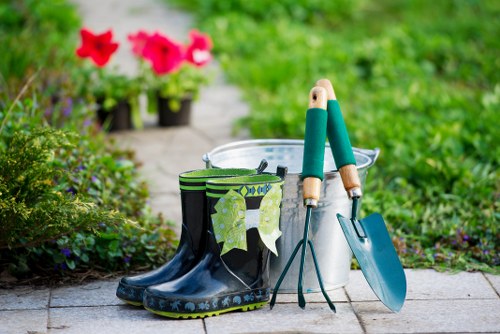
Some gardens simply need maintenance. Others need the first visit to do more heavy lifting before the lawn can return to a normal rhythm. If grass has been left too long, it may need to be reduced gradually so the lawn is not shocked by a single severe cut. That kind of work is still mowing, but it asks for more care, more time and a more measured sequence than routine upkeep.
Once the lawn is back under control, the next step is to keep it that way with a repeatable plan. That may mean agreeing a regular visit pattern, or it may mean arranging occasional cuts that keep the space in check without overcommitting. Where the wider garden is also becoming untidy, a combination of garden maintenance and selective clearance can make the work more manageable than tackling each part separately.
It is usually better to distinguish between a lawn that is simply long and one that has become tangled, patchy or mixed with debris. The first can often be returned to shape with careful mowing. The second may need a more considered approach so that the final result is healthier and easier to maintain. If you are unsure which situation applies, the simplest route is to describe the current condition and ask for a practical recommendation.
How lawn work fits with wider garden care
Many outdoor spaces work best when lawn mowing is not treated as an isolated task. A neat cut sits better beside trimmed growth, open access and clear boundaries. If the garden contains taller plants, screening hedges or uneven stretches of turf, the mowing plan can be adjusted so the lawn remains the focal point without looking over-managed. This is especially useful where the outside area serves more than one purpose and needs to stay presentable throughout the season.
When gardens are being reshaped, the mowing routine may change as the layout changes. New borders, freshly set paths or updated planting can alter how the lawn is approached and where the clean edges should fall. In those cases, it can help to think ahead about the completed arrangement rather than only the next visit. If that is the stage you are at, the broader work on our landscape gardening page may be the best place to compare ideas before you decide what the lawn needs.
A practical lawn service should feel adaptable without becoming vague. There should be a clear difference between mowing, trimming, sweeping and the heavier work of clearing or reshaping. That separation keeps the service useful: you know what is being done, what is being maintained and where extra work would need to be agreed separately. It is a simple approach, but usually the most reliable one for everyday gardens.
About Wimbledon
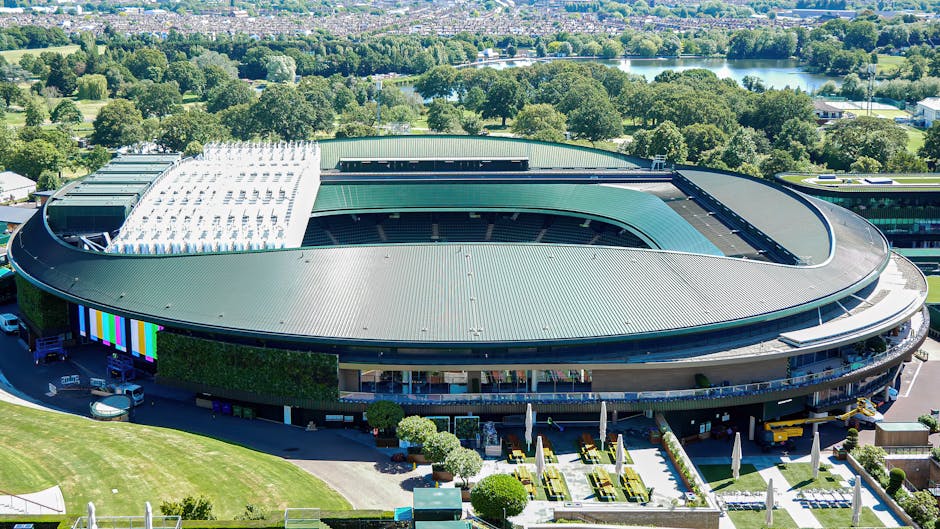
Wimbledon is a district in south-west London within the London Borough of Merton, known for combining residential streets, green spaces and a long-established civic centre around Wimbledon town. The area sits on higher ground than some of the surrounding districts, with routes leading down towards Colliers Wood, Morden and Kingston to the south and west, while the A3 corridor lies nearby. Wimbledon Common is one of the best-known open spaces in the district and remains a significant part of its character, with large stretches of heath and woodland that contrast with the built-up town centre. The common has long been associated with recreation and open-air use, and it provides a broad natural backdrop to the neighbourhoods around it. Wimbledon’s historic core includes older street patterns, local shops and public buildings, while the more recent development around the station and centre reflects its role as a busy suburban hub. The district is also widely recognised for its sporting associations, especially the Wimbledon Championships at the All England Lawn Tennis and Croquet Club, which has shaped how the name is known well beyond London. Beyond the tennis venue, the wider area includes parks, schools, churches and residential streets of varied periods, from Victorian and Edwardian terraces to later housing. This mixture of open land, town centre and settled neighbourhoods gives Wimbledon a distinct identity that is both urban and green.
Why a tidy lawn matters through the season
A lawn can change quickly over the course of a few weeks, which is why a simple mowing plan often works better than waiting until the grass becomes difficult to manage. Regular cutting helps keep the surface even and stops the garden from moving from neat to neglected. The benefit is not only visual: a well-kept lawn is usually easier to cross, easier to edge and less likely to hide debris or stray growth that should be dealt with sooner.
If you are balancing lawn care with other outdoor improvements, it can be useful to sequence the work sensibly. For instance, heavier tasks may come first, followed by mowing once the ground is clear and the main shape of the garden is visible again. In some cases, this may sit alongside tree lopping and removal where overhead growth is affecting light or access, although any tree work should be considered as its own separate job rather than assumed within a standard mow.
The service is intended to be practical and adaptable. That means we focus on the outcome that matters most: a lawn that looks finished, is easier to maintain and suits the layout of the garden. Whether you want a one-off tidy-up or a recurring cut, the main aim stays the same. Keep the grass even, the edges clear and the garden usable without unnecessary complication.
Requesting the work

When you are ready to move forward, send a brief description of the lawn and what level of work you want carried out. Mention whether the cut is routine, overdue or part of a larger garden job, because that helps shape the visit and the quotation. If there are special considerations such as restricted access, fragile borders or areas that should be avoided, it is best to note those early so the job can be planned properly.
Some customers prefer to keep their enquiry focused on mowing alone, while others ask about related upkeep at the same time. That is fine, as long as the work remains clear. If you are gathering information before making a decision, our pricing and quotes page can help you think through the main factors, and a direct enquiry can then follow once the scope is settled. A little preparation goes a long way.
For the final step, please ask for a quotation when you are ready. If you want to discuss the garden in more detail, use our contact us page and include the size of the lawn, how it is used and what result you want from the visit. That gives us a clear starting point for a helpful response.
Keeping the lawn easy to manage
Once a lawn has been brought into shape, keeping it manageable is usually easier than recovering it later. A consistent cut supports a more balanced appearance and reduces the chance of grass becoming too coarse or uneven at the borders. That is why many customers prefer to set up a routine that suits the way their garden grows rather than waiting for the lawn to become visibly overgrown.
In more detailed gardens, mowing may need to be coordinated with wider upkeep so that everything works together. Borders, hedges, paths and seating areas can all affect how the lawn should be treated, especially when the outside space is used regularly. Where a garden is being improved across several elements, it may make sense to review garden maintenance again after the first cut, because the best long-term plan is often the one that keeps the whole area in step.
As a simple rule, the best mowing service is the one that leaves you with less to think about next time. That means a clear finish, a sensible approach to growth and a result that suits the style of the property without fuss. If that is what you want, let us know the condition of the lawn and ask for a quotation. We will take it from there.
Final details before you enquire

A good enquiry gives enough detail to avoid back-and-forth, but it does not need to be long. A few lines about the lawn, the type of finish you want and any access points are usually enough to start. If the grass is short and simply needs keeping in order, say so. If it is longer, uneven or mixed with heavier garden growth, say that as well. Clear information helps produce a quotation that reflects the actual work.
Some gardens also benefit from combining mowing with other straightforward outdoor work. If there are parts of the space that need broader attention, you can look at services overview again to see how the main options fit together. That can be useful when you are deciding whether the lawn alone is the priority or whether the surrounding garden should be included in the plan too.
When you are ready, please request a quotation in plain terms and we will respond based on the details you give. A tidy lawn in Wimbledon starts with a clear brief, a sensible cut and the right level of follow-up. If you are happy with that approach, your next step is simple: send the enquiry and tell us what the garden needs.